Types Of Yoga
Yoga has been practiced for thousands of years and continues to be one of the most effective ways to maintain physical health and mental balance. Today, people across the world practice yoga not only for fitness but also for relaxation, stress relief, and mindfulness. However, when beginners start exploring yoga, they quickly realize that there are many Types Of Yoga, here each one offers a unique experience.
Understanding the different Types Of Yoga can help you choose the practice that suits your body, lifestyle, and personal goals. Some yoga styles focus on slow breathing and meditation, and while others are energetic and physically demanding. Regardless of the style you choose, yoga promotes overall wellness by connecting the body, mind, and breath.
In this guide, we will explore five popular Types Of Yoga and understand how each one contributes to better health and a more balanced life.
1. Hatha Yoga – One of the Most Popular Types Of Yoga for Beginners
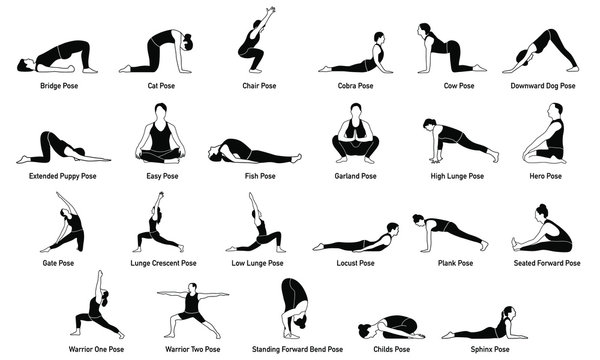
Hatha Yoga is often considered the foundation of many modern Types Of Yoga. It focuses on basic yoga poses, breathing exercises, and relaxation techniques. Because the movements are slow and controlled, Hatha Yoga is perfect for beginners who want to understand the fundamentals of yoga.
During a Hatha Yoga session, practitioners move gently from one pose to another while maintaining steady breathing. This slow pace allows the body to gradually develop flexibility, strength, and balance.
Some key benefits of Hatha Yoga include:
- Improved flexibility and posture
- Better breathing control
- Reduced stress and anxiety
- Strengthened muscles and joints
- Enhanced body awareness
Hatha Yoga helps people develop a strong foundation before exploring other Types Of Yoga that may require more energy and endurance.
2. Vinyasa Yoga – A Flowing and Dynamic Types Of Yoga
Vinyasa Yoga is one of the most energetic Types Of Yoga and is often called “flow yoga.” This style connects movement with breathing in a continuous sequence of poses. Instead of holding a pose for a long time, practitioners move smoothly from one posture to another.
Each Vinyasa class can be different because instructors design unique sequences. This makes the practice engaging and keeps the body active throughout the session.
Vinyasa Yoga is popular among people who enjoy workouts that combine flexibility, strength, and movement.
Benefits of Vinyasa Yoga include:
- Increased cardiovascular fitness
- Improved muscle strength
- Better flexibility and coordination
- Higher energy levels
- Support for weight management
Because of its dynamic nature, Vinyasa Yoga feels like both a fitness routine and a mindfulness practice at the same time.
3. Ashtanga Yoga – A Structured and Powerful Practice
Ashtanga Yoga is one of the most disciplined Types Of Yoga. This style follows a fixed sequence of poses that are performed in the same order every time. The practice is physically demanding and requires strength, stamina, and focus.
In Ashtanga Yoga, breathing techniques are synchronized with continuous movement. This creates internal heat in the body, helping to improve circulation and detoxification.
People who enjoy challenging workouts often choose this yoga style because it provides both physical and mental discipline.
Benefits of Ashtanga Yoga include:
- Increased physical strength and endurance
- Improved flexibility and balance
- Enhanced concentration and mental clarity
- Detoxification through sweat
- Greater self-discipline
Although Ashtanga Yoga can be challenging at first, regular practice can lead to significant improvements in overall fitness and mental focus.
4. Kundalini Yoga – A Spiritual Practice
Among the different Types Of Yoga, Kundalini Yoga focuses strongly on spiritual growth and energy awareness. This practice combines yoga postures, breathing techniques, chanting, and meditation.
The goal of Kundalini Yoga is to awaken the energy within the body and promote harmony between the mind and body. Sessions often involve rhythmic breathing and meditation exercises designed to increase awareness and emotional balance.
Benefits of Kundalini Yoga include:
- Reduced stress and anxiety
- Improved mental clarity
- Increased emotional stability
- Enhanced focus and mindfulness
- Stronger connection between mind and body
For people seeking a deeper spiritual experience, Kundalini Yoga offers a unique approach among the various Types Of Yoga.
5. Yin Yoga – A Relaxing and Meditative
Yin Yoga is one of the slowest and most calming Types Of Yoga. Unlike active yoga styles, Yin Yoga involves holding poses for longer periods, sometimes up to five minutes or more.
This slow pace allows the body to stretch deeper tissues such as ligaments and connective tissues. Yin Yoga also encourages stillness and mindfulness, helping practitioners relax both physically and mentally.
Yin Yoga is especially beneficial for people who have stressful lifestyles or spend long hours sitting.
Benefits of Yin Yoga include:
- Deep muscle relaxation
- Improved joint flexibility
- Reduced mental tension
- Better circulation
- Increased mindfulness and calmness
Many yoga practitioners combine Yin Yoga with more active Types Of Yoga to create a balanced wellness routine.